November 24, 2026
A backyard swimming pool can provide hours of recreation, relaxation, and family enjoyment, but it also introduces important safety responsibilities. One of the most effective ways to create a safer pool environment is by installing an appropriate fence. Working with a qualified local fencing contractor can help homeowners create an enclosure that combines reliable protection, functionality, and visual appeal.
Understanding the Importance of Pool Fencing
Swimming pools require consistent attention to safety, particularly when children, pets, and visitors have access to the backyard. Even confident swimmers can encounter dangerous situations, making it important to prevent unsupervised entry into the pool area. A fence creates a designated boundary between the swimming pool and the rest of the property, adding another layer of protection when the pool is not in use.
Pool fencing is also an important part of responsible property ownership. A secure enclosure can help homeowners establish clearer boundaries and reduce opportunities for accidental access. As residential outdoor improvements continue to receive attention, fencing remains an important investment. According to Freedonia, residential fencing demand is forecast to grow 1.0% annually to $6.7 billion in 2027. This reflects the continued importance of fencing for residential properties, including those with swimming pools.
Choosing the Right Fence Material
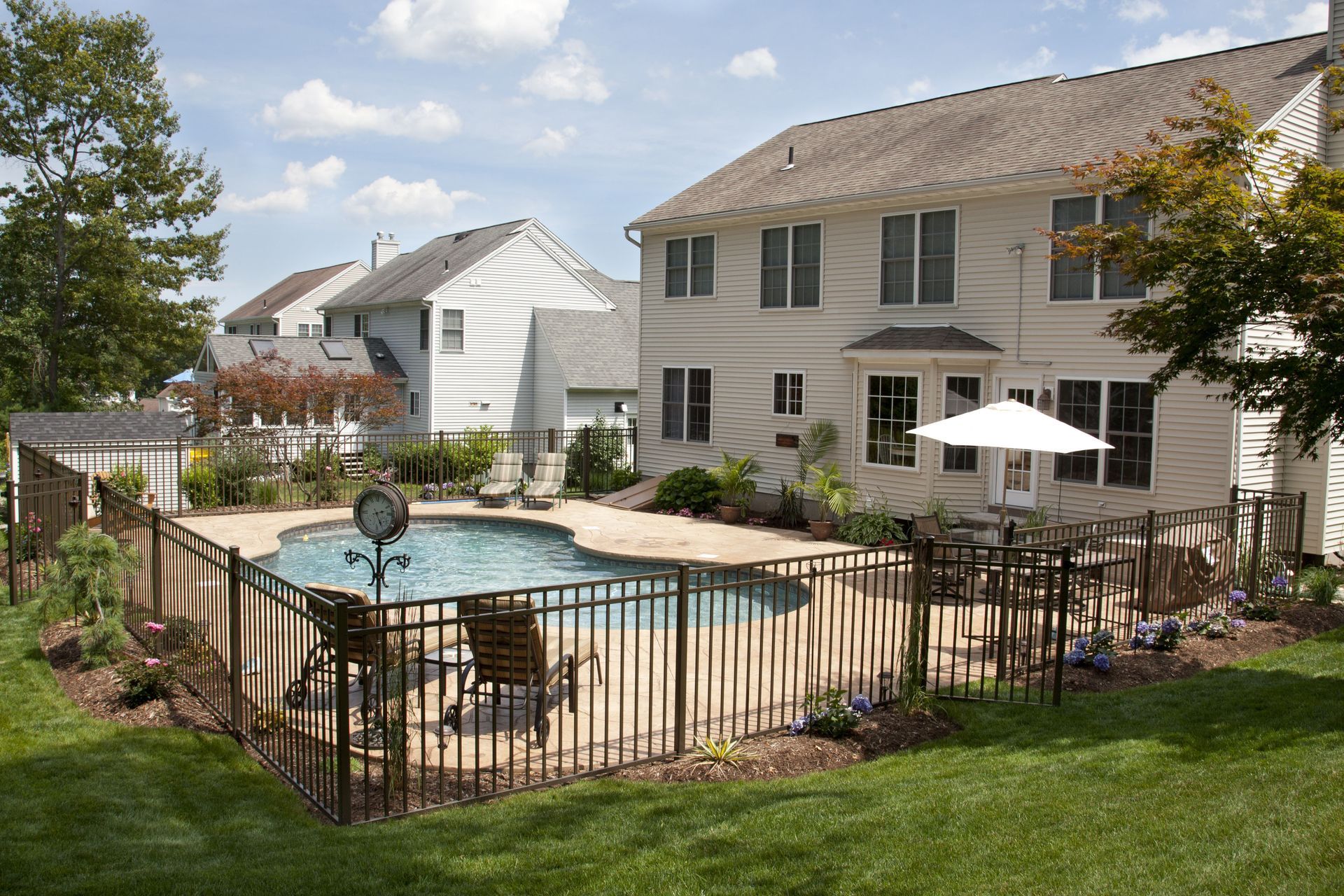
The material selected for a pool fence affects its appearance, durability, maintenance requirements, and overall performance. Aluminum is a popular choice because it combines strength with a relatively lightweight construction. Its resistance to corrosion makes it suitable for outdoor environments, particularly around swimming pools where moisture exposure is frequent. Aluminum fencing is also available in different styles and finishes, allowing homeowners to complement their existing landscaping and outdoor features.
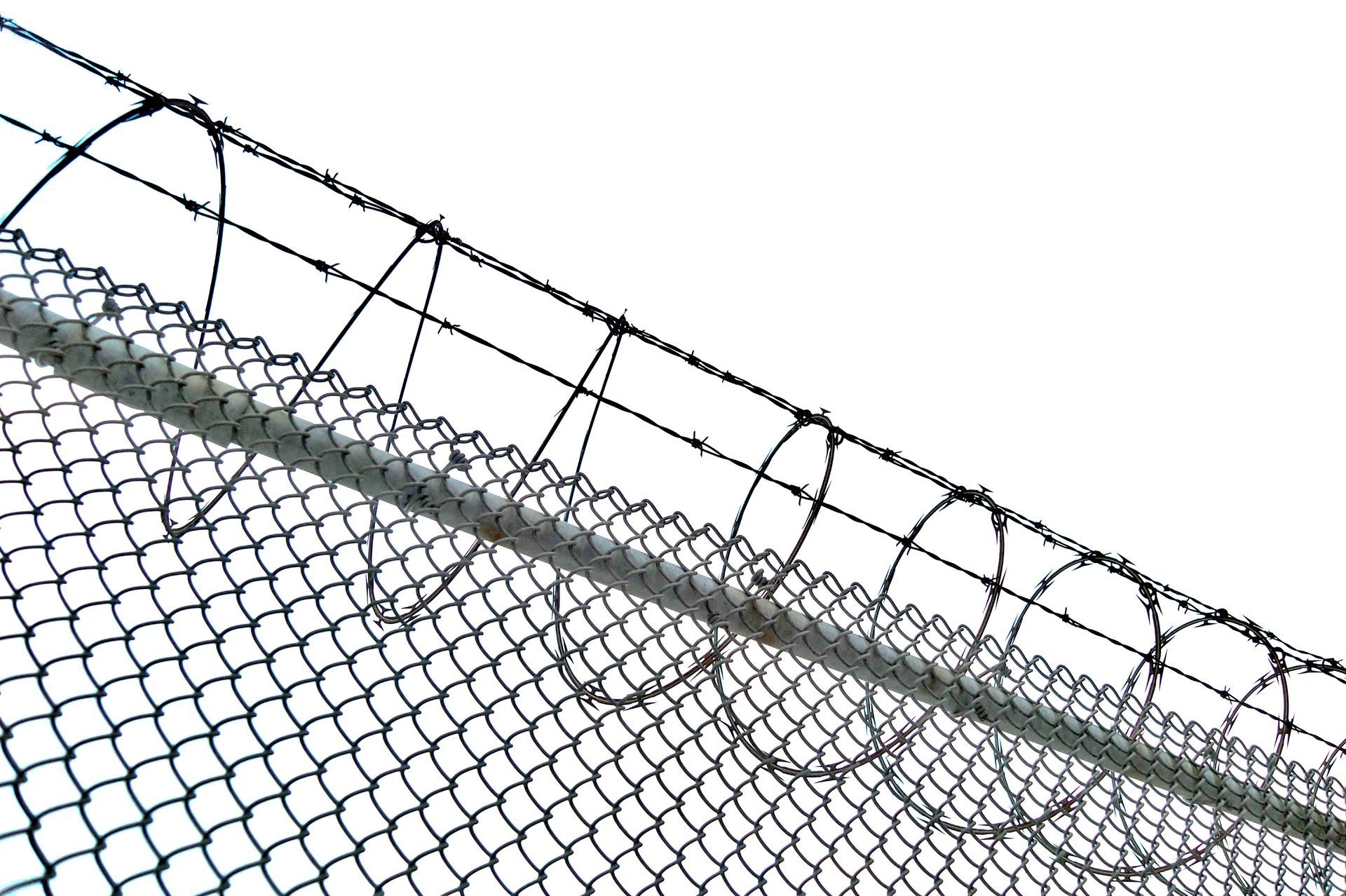
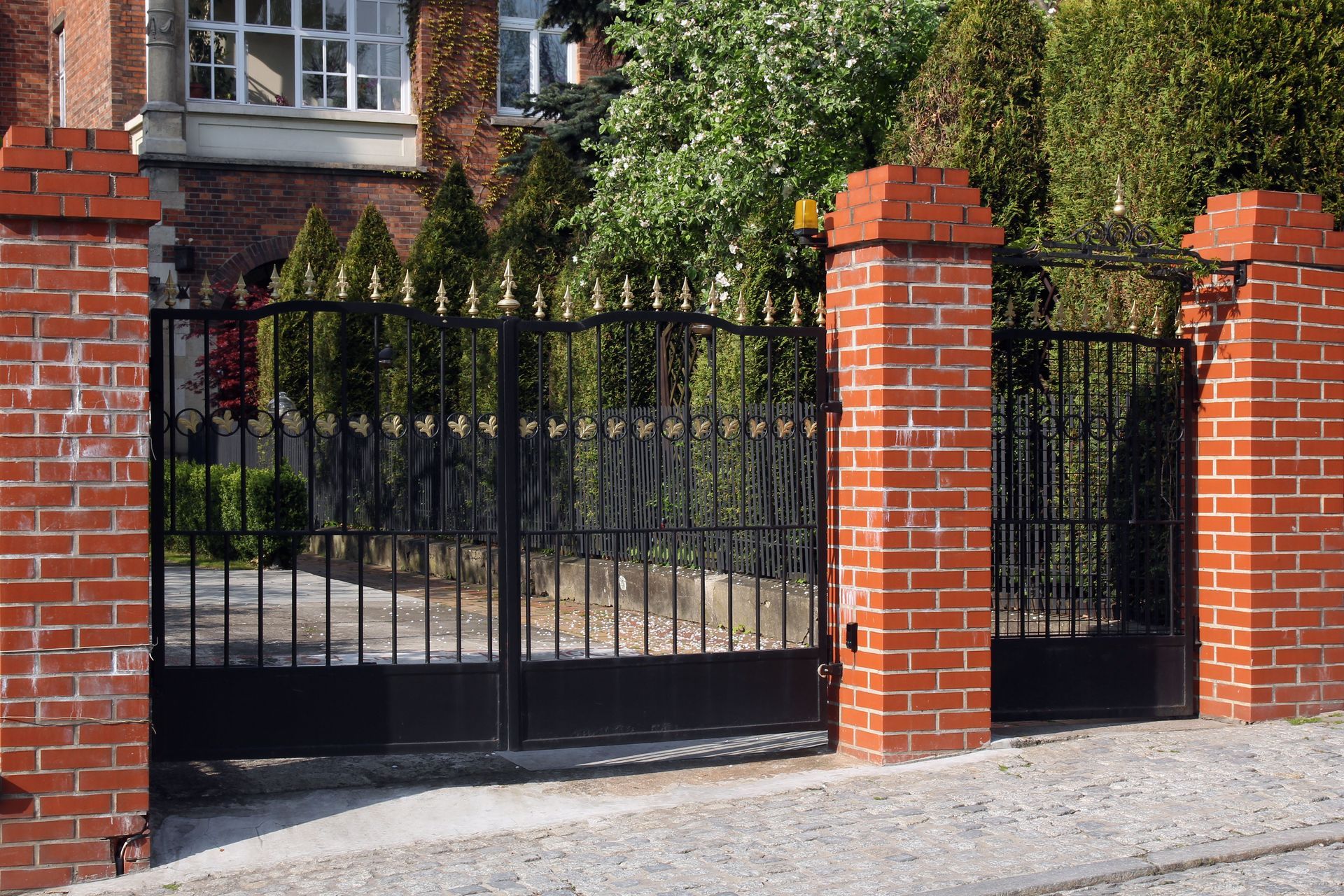
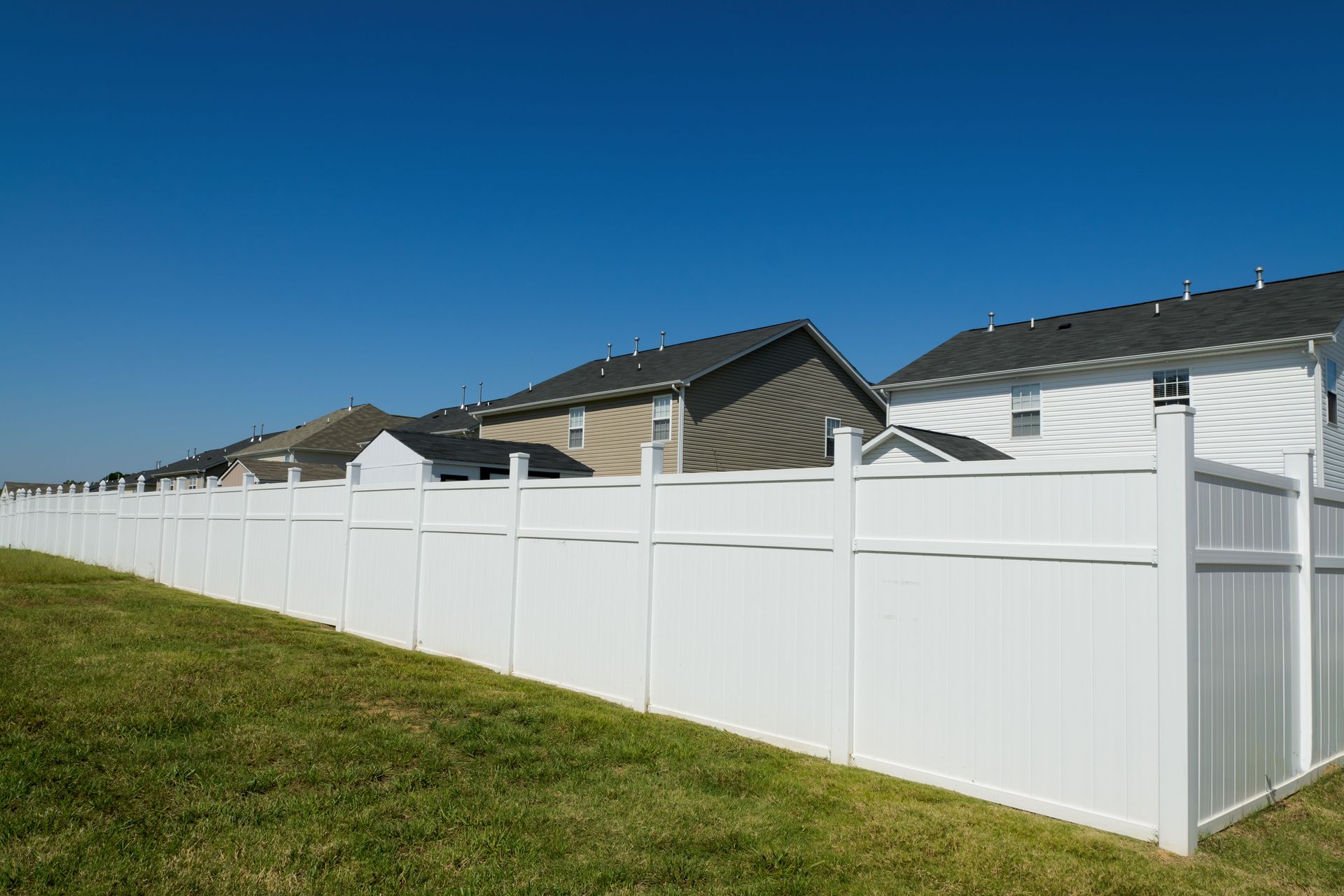
Other materials may also be appropriate depending on the property's needs and local requirements. Vinyl fencing offers a more solid appearance and can provide additional visual separation around the pool area. Ornamental iron creates a traditional, decorative look, while certain other metal fencing options offer a simple, practical design. A local fencing contractor can explain the advantages of different materials and help homeowners choose an option that meets their safety priorities, budget, and aesthetic preferences.
Picking an Appropriate Fence Height and Design
Fence height is an essential consideration when planning a pool enclosure. A barrier should be tall enough to discourage climbing and designed to prevent children from easily accessing the pool area. Local building codes and pool safety regulations often establish minimum height requirements, along with specifications for openings, horizontal supports, and other design features. Homeowners should understand these requirements before selecting a fence style or beginning installation.
The overall design matters just as much as height. Fencing with closely spaced vertical components can help prevent children from squeezing through openings or using horizontal elements as climbing supports. Decorative features should also be evaluated with safety in mind. A local fencing contractor familiar with residential pool enclosures can help identify designs that satisfy applicable requirements while complementing the property's existing architecture.
Considering Visibility Around the Swimming Pool
Visibility is another important factor when choosing a pool fence. Homeowners often benefit from being able to see the swimming pool from nearby areas of the backyard, including patios, porches, and outdoor seating spaces. Open-style fencing, such as aluminum or certain ornamental metal designs, can provide a clear view through the enclosure while still establishing a physical boundary. This can make it easier for adults to observe activity around the pool when supervising children.
Transparent fencing options may also be worth considering for properties where maintaining an unobstructed view is a priority. The best solution depends on the backyard's layout, the surrounding architecture, and the homeowner's preferences. Regardless of the material, visibility should complement active supervision rather than replace it. A local fencing contractor can help compare different enclosure styles and determine which option offers the right balance of visibility, appearance, and security.
Planning Around Landscaping and Backyard Features
Pool fencing should fit naturally into the overall backyard design. Existing trees, garden beds, walkways, patios, retaining walls, and outdoor entertainment areas can all influence where the enclosure should be installed. A carefully planned layout helps prevent the fence from interfering with everyday outdoor activities while maintaining a secure boundary around the water. Homeowners should also consider how landscaping may change as plants grow and outdoor features are added.
It's important to evaluate potential climbing opportunities near the fence as well. Large planters, outdoor furniture, storage structures, and decorative landscaping features should not create convenient steps for children attempting to climb over the enclosure. Maintaining appropriate clearance around the barrier can help preserve its intended function. Consulting a local fencing contractor during the planning stage allows homeowners to address these details before installation begins and avoid unnecessary adjustments later.
Understanding Local Pool Safety Requirements
Pool fencing requirements can vary depending on the municipality, property type, and applicable building regulations. Requirements may address fence height, gate construction, latch placement, maximum opening sizes, and the distance between the enclosure and nearby structures. Some locations also have specific rules regarding existing pools, newly constructed swimming pools, and approved barrier configurations. Homeowners should review the requirements that apply to their property before choosing a design.
Permits and inspections may also be necessary depending on the project and local jurisdiction. Understanding these responsibilities helps prevent delays and ensures that the finished installation meets applicable standards. An experienced local fencing contractor can help homeowners understand common regulatory considerations and coordinate installation details with the property's specific requirements. However, property owners should always verify current regulations with their local building department.
Prioritizing Durable Materials and Professional Installation
Pool fences must withstand regular exposure to outdoor conditions, including moisture, sunlight, wind, and seasonal temperature changes. Selecting durable materials can help reduce deterioration and maintain the enclosure's appearance over time. Protective finishes are particularly important for metal fencing, while quality components and proper installation techniques contribute to the overall stability of the structure. Homeowners should also consider how frequently the material will require cleaning or other routine attention.
Professional installation is equally important because even quality materials may not perform as intended if posts, connections, and gates are improperly installed. The ground surrounding a pool can present challenges, including slopes, changing elevations, and hard surfaces. A local fencing contractor can assess these conditions, determine suitable post placement, and ensure that the enclosure is installed with appropriate stability. Attention to these details helps create a dependable barrier designed for long-term residential use.
Maintaining Your Pool Fence Throughout the Year
Once a pool fence has been installed, periodic inspections help ensure that it continues to function properly. Homeowners should check for loose posts, damaged panels, rust, deteriorating finishes, and other signs of wear. Gates deserve particular attention because hinges and latching mechanisms experience repeated use. A gate that no longer closes or latches reliably can compromise the enclosure's effectiveness, even when the surrounding fence remains in good condition.
Seasonal maintenance is also worth considering. Heavy rain, freezing temperatures, strong winds, and shifting ground can affect fencing components over time. Keeping the area around the enclosure clear of debris and checking that the ground has not created gaps beneath the barrier can help preserve its condition. If damage or mechanical problems develop, homeowners can contact a local fencing contractor to evaluate the issue and recommend appropriate repairs. Regular attention helps keep the enclosure dependable throughout the swimming season and beyond.
Homeowners should take the time to evaluate their property's layout and determine which fencing solution best addresses their needs. By investing in a properly planned pool enclosure and maintaining it over time, homeowners can create a backyard that's both attractive and better protected for family members and guests. To get started, contact our team at J2W Custom Fence today!