July 24, 2026
Property owners are paying closer attention to security than ever before, and physical barriers remain one of the most effective ways to protect homes and businesses. From residential neighborhoods to industrial facilities, fencing systems now serve a larger purpose than simply marking property lines. Modern gate and fence installers are increasingly involved in designing integrated security solutions that combine durability, technology, and visual appeal.
Concerns about theft, trespassing, and liability have pushed many owners to rethink the role of exterior protection. A well-planned fence can discourage unauthorized access before it becomes a serious problem, while a secure gate system can help regulate who enters and exits the property. At the same time, owners want these features to enhance curb appeal instead of making a property feel unwelcoming.
According to Research Nester, the global fencing industry surpassed roughly $34.72 billion in 2025 and could reach $65.17 billion by 2035. That level of projected growth reflects how strongly consumers and commercial property managers value modern perimeter security. As demand continues to rise, contractors are taking on broader responsibilities that include automation, surveillance integration, and long-term security planning.
Protection
Physical protection is still the primary reason most people invest in fencing and gates. Strong perimeter systems create a visible boundary that immediately discourages opportunistic criminal activity. Even simple upgrades such as taller fencing, reinforced materials, or controlled access points can significantly reduce vulnerability.
Today’s gate and fence installers are expected to do more than complete a basic installation. Many clients now request customized security recommendations based on property layout, traffic flow, and environmental conditions. Contractors often evaluate blind spots, entry points, and nearby public access areas before recommending a solution.
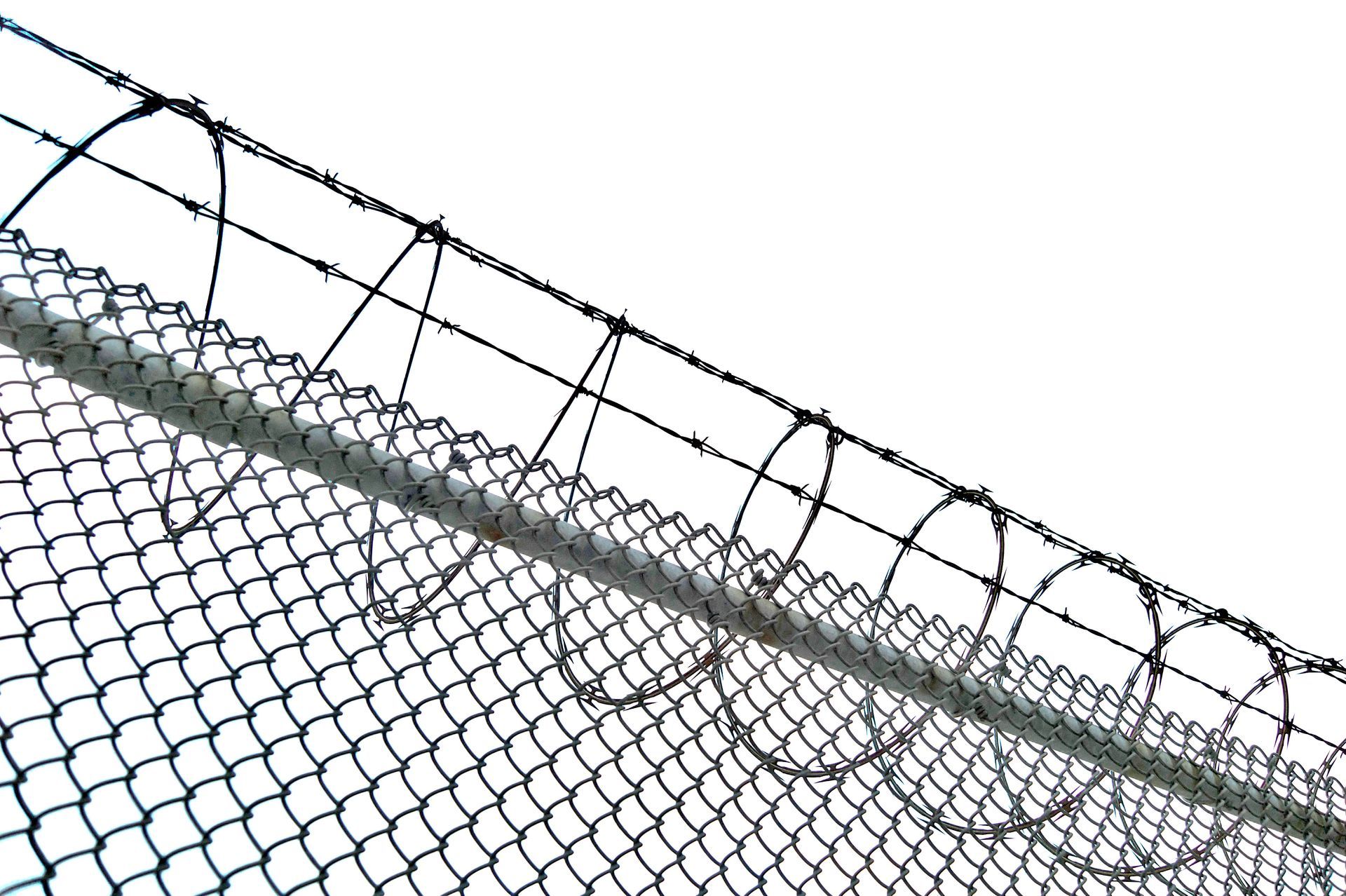
Commercial properties especially benefit from strategic perimeter planning. Warehouses, office complexes, and retail centers frequently require fencing systems that balance accessibility with security enforcement. In many cases, businesses also need fencing that complies with insurance requirements or municipal safety regulations.
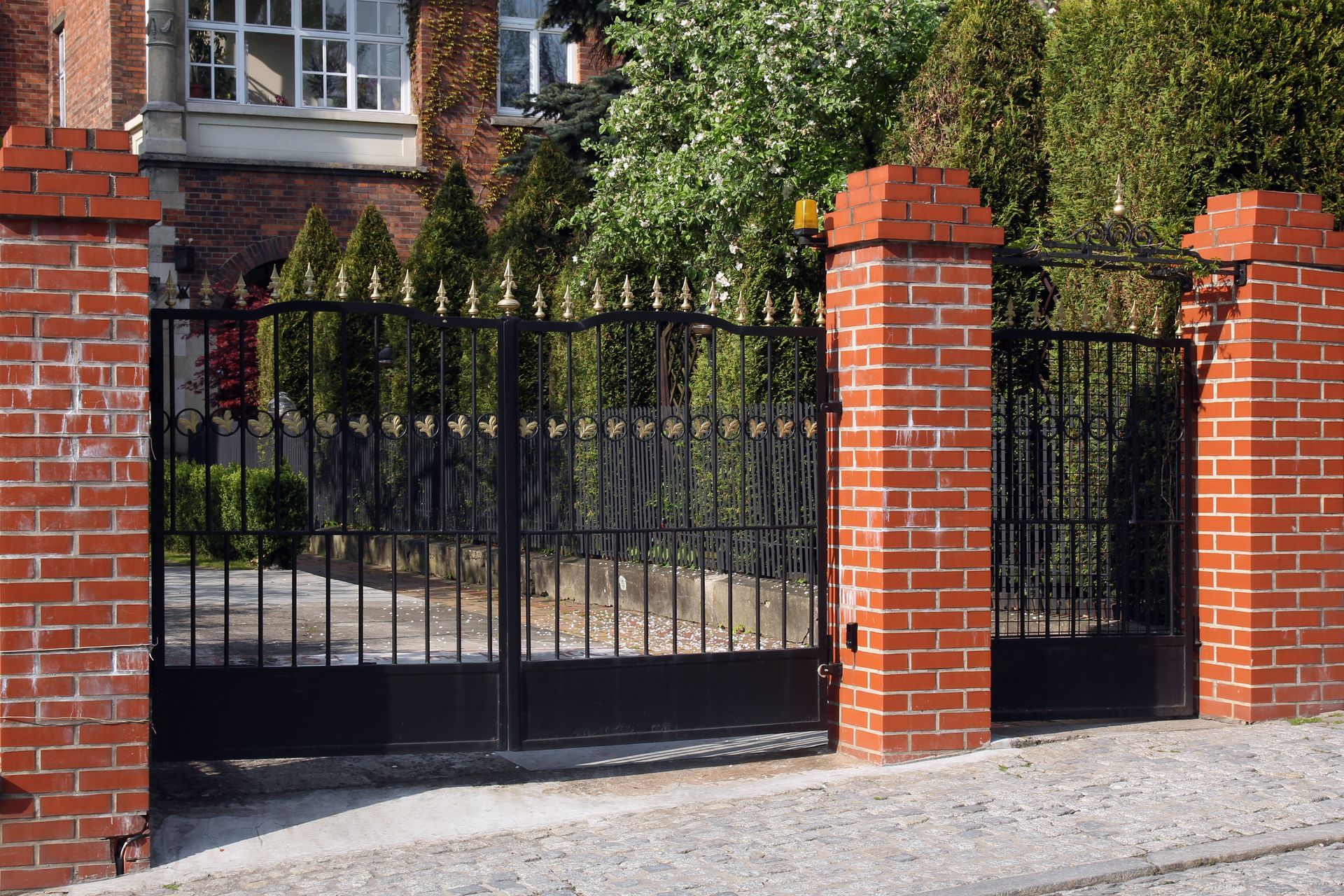
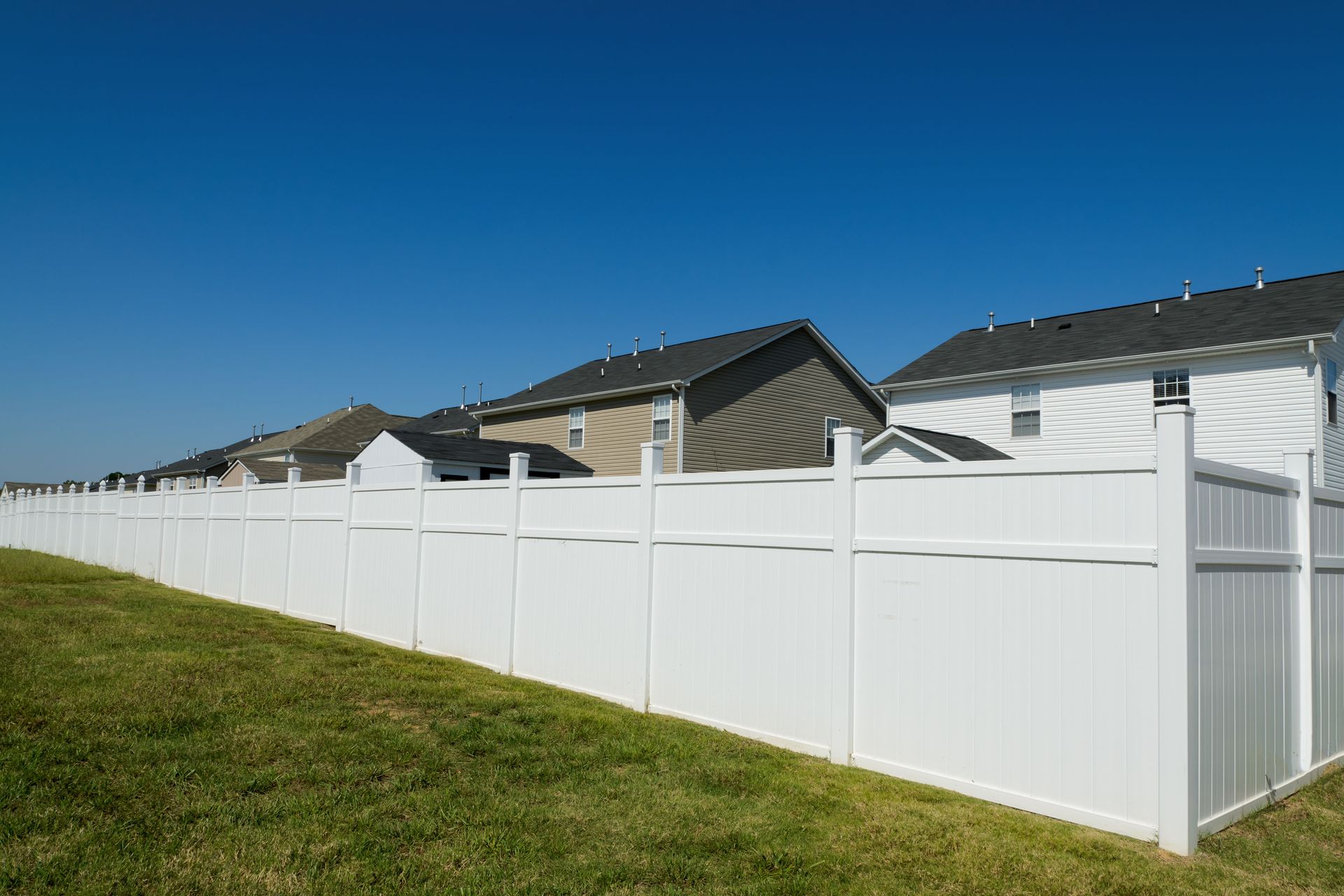
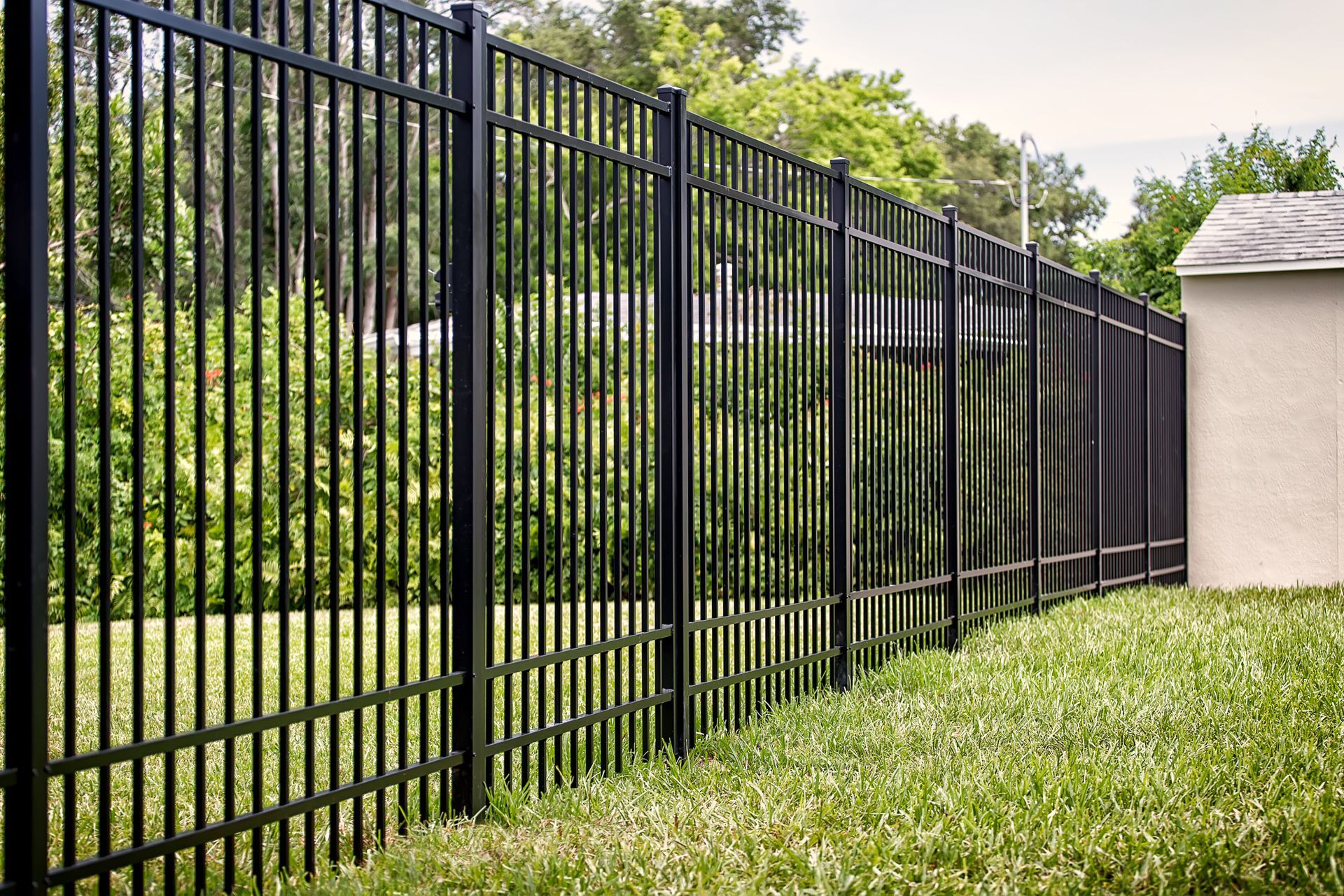
Residential property owners are also becoming more proactive about perimeter protection. Families want privacy for children and pets while still maintaining an attractive outdoor appearance. Decorative aluminum fencing, composite privacy panels, and secure driveway gates have become increasingly popular because they combine safety with modern design.
Technology
Technology has transformed the way fencing systems operate and how property owners manage access control. Automated gates, keypad entry systems, remote monitoring, and smartphone integration are no longer considered luxury features. Instead, many owners view them as practical investments that improve both security and convenience.
Modern gate and fence installers often work alongside electricians, security companies, and smart home specialists during projects. This collaboration allows gates to integrate with surveillance cameras, motion sensors, and intercom systems. As a result, owners gain more control over who enters the property and when access is granted.
For commercial facilities, automated systems can also improve operational efficiency. Employees, delivery drivers, and approved vendors can receive controlled access without requiring constant staff supervision. Businesses appreciate how automation reduces delays while maintaining tighter security protocols throughout the day.
Remote access technology has also changed homeowner expectations. Many people now want the ability to open gates from their phones or monitor entrances while away from home. Because of these shifting preferences, gate and fence installers increasingly need technical knowledge in addition to traditional construction skills.
Another growing trend involves integrating fencing with broader property management systems. Some large residential communities and commercial campuses now use centralized software to monitor gates, visitor activity, and security alerts. This level of integration creates a more coordinated approach to property protection while improving accountability for everyone entering the site.
Durability
Security systems are only effective when they can withstand environmental stress and attempted intrusion over time. Material quality has become a major consideration for property owners who want long-lasting protection with minimal maintenance requirements. Steel, aluminum, vinyl, and composite materials each offer unique benefits depending on the environment and security needs.
Professional gate and fence installers help clients select materials that align with climate conditions and property usage. Coastal environments may require corrosion-resistant materials, while industrial locations often need reinforced barriers capable of handling heavier wear. Choosing the wrong material can lead to premature deterioration and higher long-term costs.
Durability also affects how well a property maintains its appearance. Rusted gates, damaged panels, or leaning posts can weaken security while negatively impacting property value. Well-constructed systems not only improve protection but also support a cleaner and more professional appearance.
Maintenance planning has become another important part of modern installations. Contractors frequently educate clients on inspection schedules, lubrication needs, and repair timelines to extend system performance. Preventive maintenance helps property owners avoid expensive emergency repairs while preserving the effectiveness of their security features.
Extreme weather has further increased the need for durable construction practices. High winds, heavy rainfall, and fluctuating temperatures can place significant strain on fencing systems over time. Property owners increasingly seek professional guidance to ensure installations can handle local environmental challenges without sacrificing performance.
Customization
No two properties have identical security requirements, which is why customization has become such an important part of the industry. A suburban residence, a manufacturing facility, and a multi-family housing complex all require different levels of access control and visual design. Contractors must balance aesthetics, functionality, and security objectives within a single project.
Gate and fence installers now spend more time consulting with clients before construction begins. Instead of offering one-size-fits-all solutions, they assess traffic patterns, privacy concerns, and future expansion plans. This process allows them to recommend systems that better support long-term property goals.
Customization also gives property owners greater flexibility in appearance. Decorative finishes, ornamental accents, lighting features, and branded entryways help properties maintain a welcoming image while improving security. Many businesses understand that first impressions matter, and a professionally designed entrance can strengthen customer confidence.
For residential customers, customization often focuses on blending security with lifestyle needs. Homeowners may prioritize pet containment, pool safety, or enhanced backyard privacy while still wanting a cohesive exterior design. Contractors who understand these priorities can create installations that improve everyday comfort in addition to security.
The growing emphasis on tailored solutions has elevated industry expectations overall. Clients increasingly look for professionals who can provide strategic recommendations instead of simply installing standard fencing products. As demand evolves, gate and fence installers continue to play a larger role in helping owners create safer, more adaptable properties.
In today’s environment, perimeter security is no longer viewed as a secondary feature for residential or commercial properties. Owners want solutions that combine protection, technology, durability, and customized design into one cohesive system. As security concerns continue to evolve, fence installers will remain essential partners in protecting property value, improving safety, and supporting long-term peace of mind.
Long-term security planning is increasingly about anticipating risks rather than reacting to them after the fact. As properties become more complex and access points multiply, well-designed perimeter systems help establish control without limiting usability or design intent. Continued innovation in materials, automation, and installation practices ensures that
gate and fence installers will remain central to how property owners approach safety, privacy, and asset protection in the years ahead.
A reliable fencing system can make a major difference in how secure and functional your property feels every day. At J2W Custom Fence, we work with property owners to create practical solutions that support both security and appearance. Contact our team today to learn how a professionally designed gate and fencing system can strengthen your property for years to come.