February 11, 2026
Fence installation is often viewed as a practical home improvement focused on privacy or security, but its influence reaches far beyond daily convenience. A well-planned fence can shape how a property is perceived, how it functions, and how it competes in the real estate market. For homeowners considering improvements that add lasting value, fencing is frequently part of the conversation.
Property value is influenced by a combination of visual appeal, functionality, and buyer confidence. Fences contribute to all three when installed thoughtfully and maintained properly. From defining boundaries to enhancing outdoor usability, fencing plays a subtle but meaningful role in how a property is evaluated. The materials chosen, the design style, and the quality of installation all factor into how much value a fence ultimately adds.
Understanding the connection between fencing and home value helps homeowners make smarter investment decisions. Whether preparing to sell or planning long-term upgrades, knowing what buyers notice and what appraisers consider can guide the process. In this article, we'll explore how fence installation impacts property value, what factors influence return, and ways to maximize long-term benefits.
First Impressions and Curb Appeal
First impressions carry significant weight in real estate. Before stepping inside a home, buyers form opinions based on the exterior, and fencing often frames that initial view. A clean, well-maintained fence can immediately signal care and attention to detail, while a damaged or outdated fence may raise concerns about overall property upkeep.
Fences contribute to curb appeal by creating a visual structure. They define boundaries, guide the eye, and complement landscaping elements. When fencing aligns with the home's architectural style, it enhances cohesion and balance. This visual harmony can make a property feel more complete and inviting.
In contrast, mismatched materials or uneven installation can detract from the exterior. Buyers may interpret these issues as signs of deferred maintenance, which can influence perceived value. Professional installation supports a polished appearance that strengthens first impressions.
Privacy and Security as Value Drivers
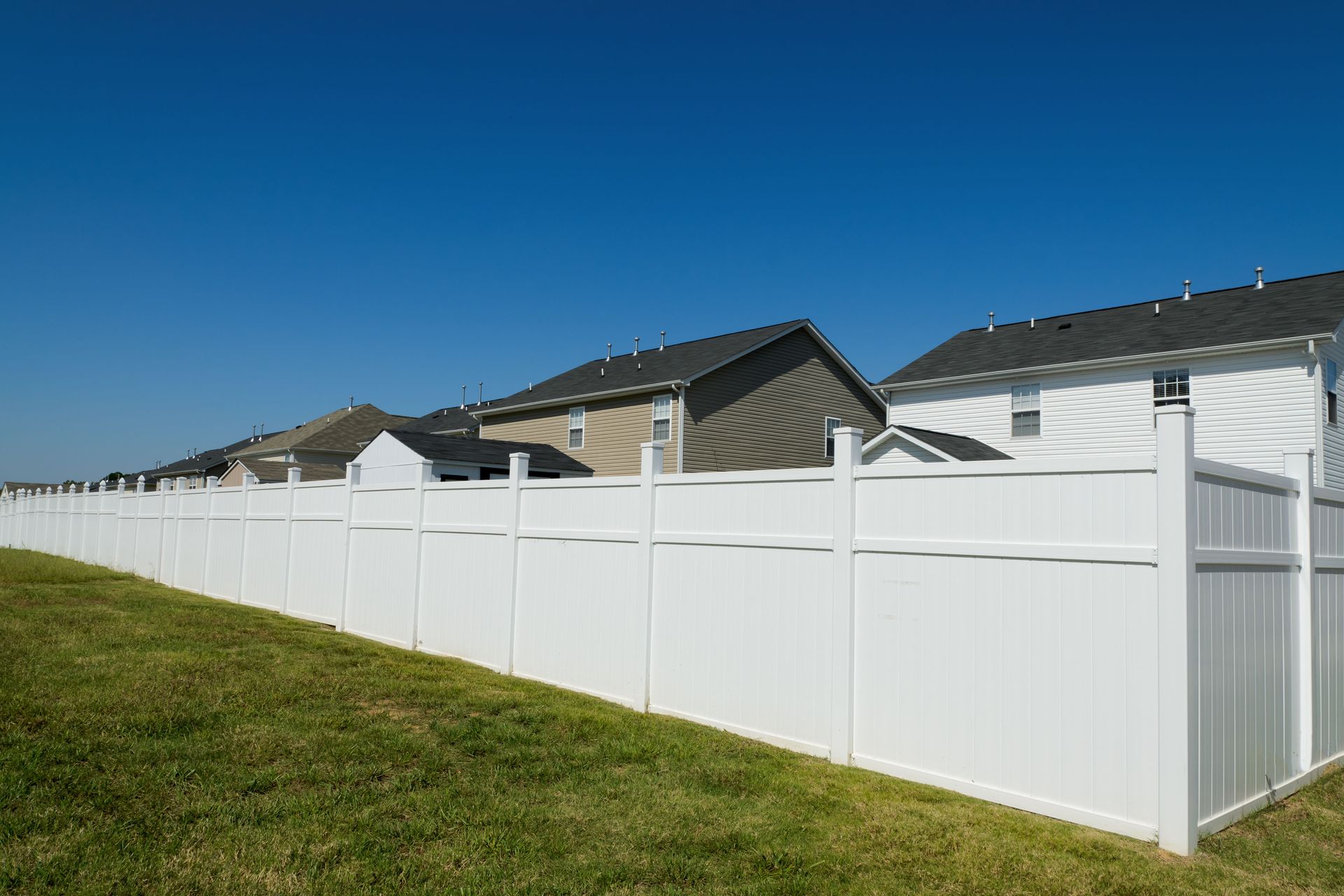
Beyond appearance, fences offer practical benefits that many buyers prioritize. Privacy is especially important in suburban and urban settings where homes are close together. A fence can create separation and help outdoor spaces feel more comfortable and usable.
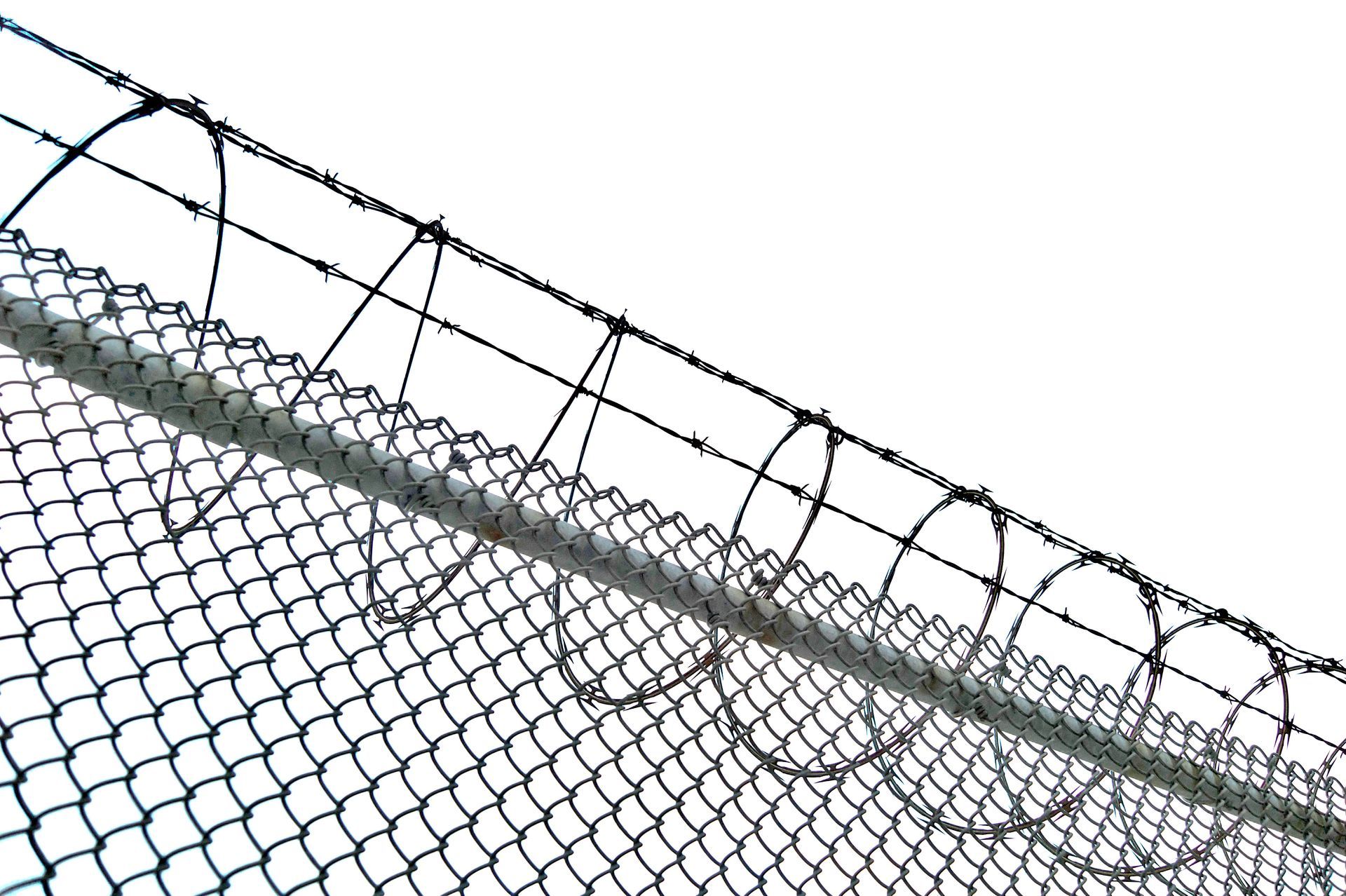
Security is another factor that influences perceived value. Fencing establishes clear boundaries and can deter unwanted access. For households with children or pets, an enclosed yard offers added safety and peace of mind.
These functional benefits often translate into stronger buyer interest. A fence that supports everyday living needs adds value by improving the overall experience of the property.
Material Selection and Its Impact on Value
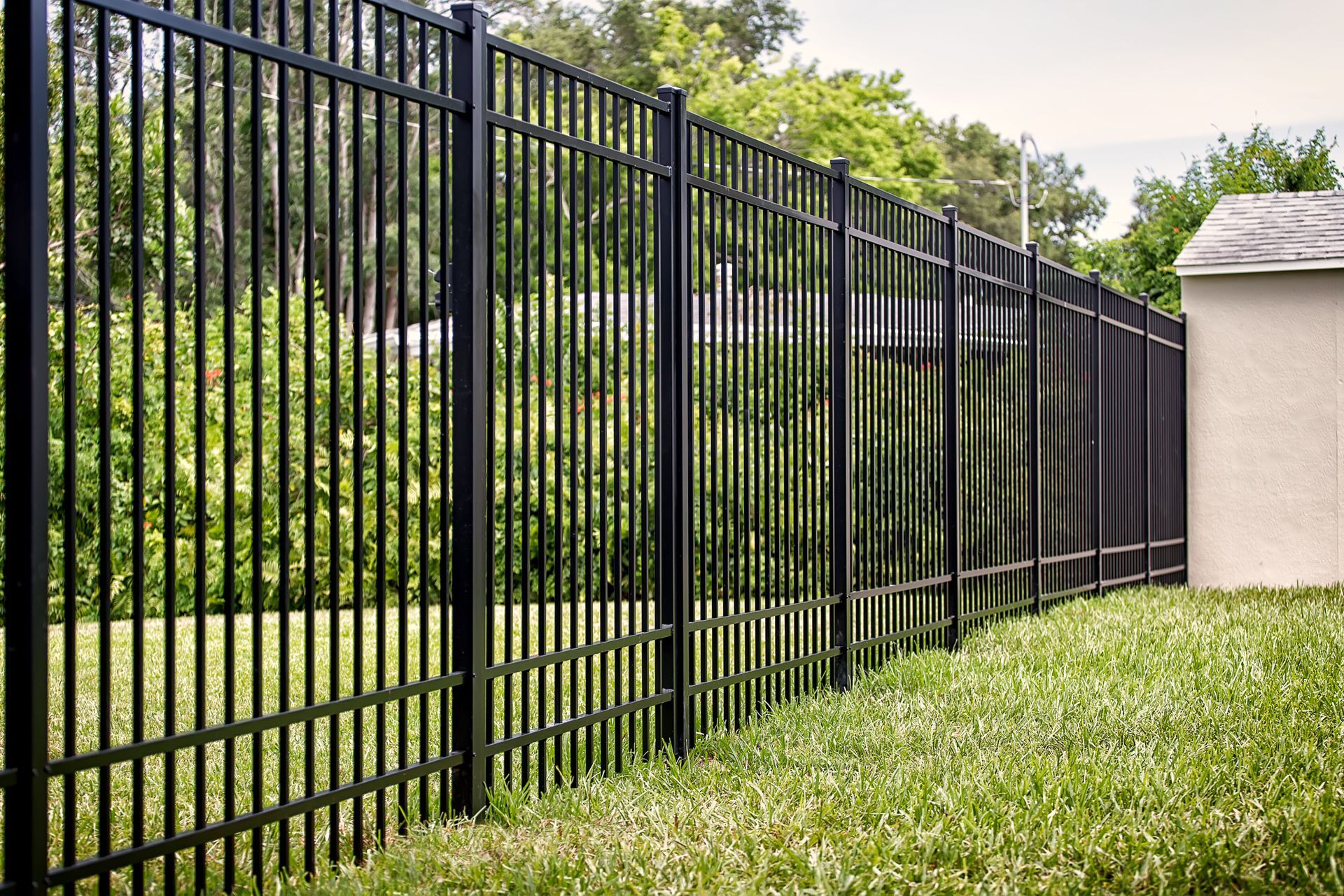
The material used for a fence plays a significant role in long-term value. Wood, vinyl, aluminum, wrought iron, and composite materials each offer different advantages in terms of appearance, durability, and maintenance.
Higher-quality materials tend to retain their appearance longer and require less ongoing care. Buyers often recognize the difference between short-term solutions and materials chosen for longevity. Durable fencing can signal a well-considered investment rather than a cosmetic upgrade.
According to Fixr, fences typically boost a property's value, with an average return on investment of 50% to 70%, depending on the fencing material. This makes material selection an important part of maximizing return.
Design Consistency and Overall Appearance
Design consistency helps fencing feel like a natural extension of the property rather than an add-on. Elements such as height, spacing, color, and layout should complement the home's architectural style and surrounding environment.
Inconsistent or overly bold designs may stand out in ways that reduce appeal, particularly in neighborhoods with established visual standards. Fencing that blends well with nearby properties often supports stronger valuation outcomes.
Working with experienced gate and fence installers helps balance personal style preferences with broader market expectations, supporting both visual appeal and resale value.
Installation Quality and Structural Integrity
Installation quality directly affects both appearance and longevity. Poorly installed fencing may lean, shift, or deteriorate faster than expected, reducing its contribution to property value.
A professionally installed fence benefits from proper post placement, secure foundations, and consistent alignment. These details help the fence withstand weather conditions and daily use over time.
Buyers and inspectors often notice installation quality, even if only subconsciously. Choosing skilled gate and fence installers protects the investment by reducing future repair concerns and supporting long-term performance.
Outdoor Living Space Definition
Fencing plays a key role in shaping outdoor living areas. By enclosing yards, patios, or gardens, fences create defined spaces that feel intentional and functional.
Buyers often view these enclosed areas as extensions of the home's usable space. Whether envisioned as a play area, entertaining zone, or private retreat, fenced outdoor spaces can increase emotional appeal. When fencing enhances usability without overwhelming the landscape, it adds a layer of value that goes beyond appearance alone.
Neighborhood Standards and Market Fit
Neighborhood context influences how fencing affects property value. In some areas, fencing is expected and contributes positively to overall appeal. In others, minimal or decorative fencing may be more common.
Homeowners should consider local standards, zoning requirements, and any homeowner association guidelines before installing a fence. Aligning with neighborhood expectations supports consistent valuation and avoids potential conflicts. Gate and fence installers with local experience can provide insight into styles and layouts that align with area norms, helping homeowners make informed choices.
Maintenance and Long-Term Value Retention
Maintenance plays an important role in preserving the value added by fencing. Even durable materials benefit from periodic care to maintain appearance and function.
Neglected fencing can quickly become an eyesore, reducing curb appeal and raising buyer concerns. Routine cleaning, minor repairs, and timely refinishing help fencing age more gracefully. Buyers often associate good fence condition with overall property care. Maintaining fencing supports long-term value retention and reinforces positive impressions.
Gate Design and Functional Benefits
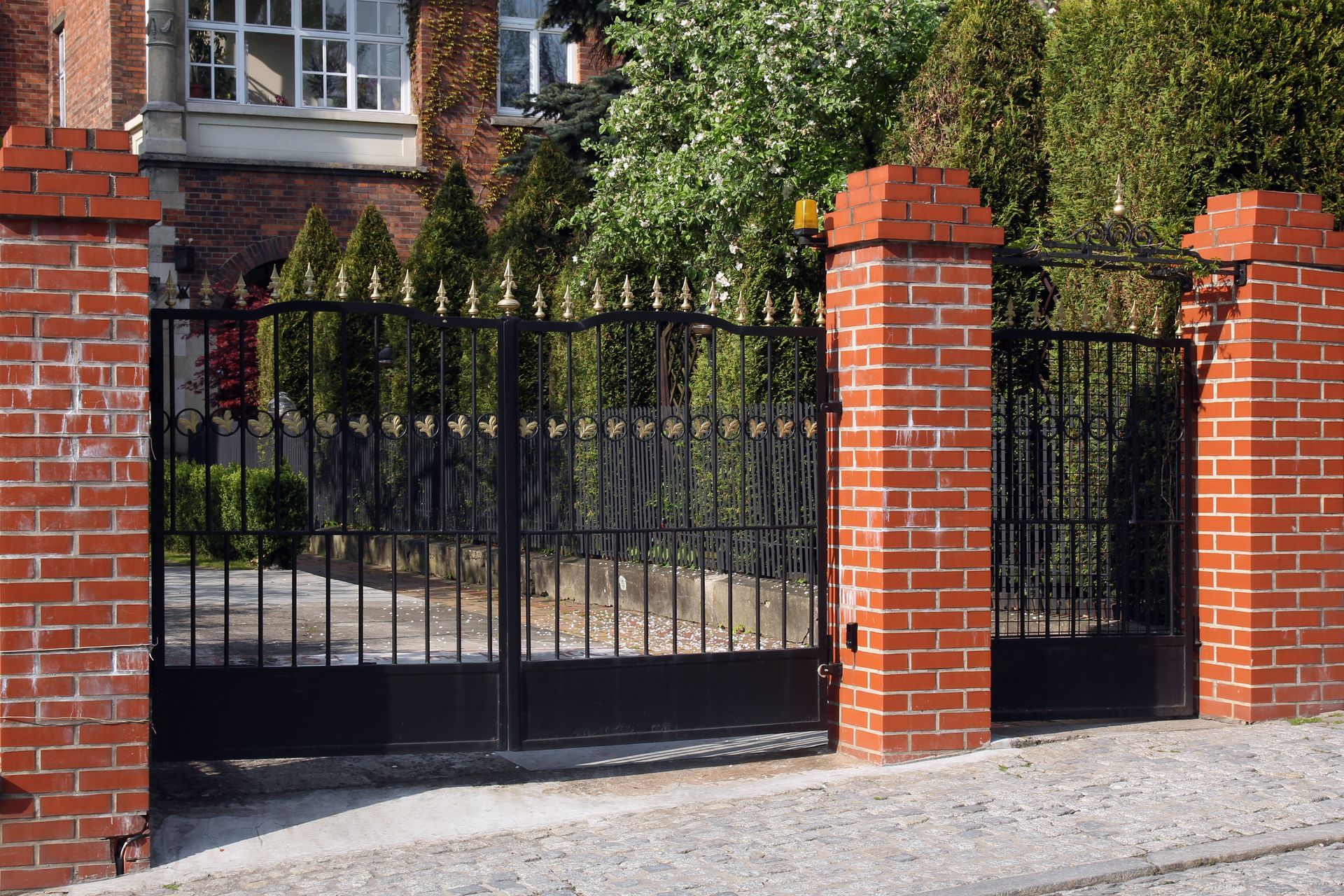
Gates are a critical component of fencing systems and contribute both functionally and visually. A well-designed gate supports easy access while maintaining enclosure and security.
From an aesthetic standpoint, gates often serve as focal points. Their design can elevate the entire fencing system or detract from it if poorly executed. Professional gate and fence installers help integrate gates that operate smoothly and complement the overall design, supporting both usability and value.
Buyer Confidence and Marketability
Fencing can influence how confident buyers feel when evaluating a property. Clear boundaries, defined outdoor spaces, and cohesive design reduce uncertainty and make the property feel complete. This sense of structure often helps buyers better visualize ownership and long-term use of the space.
Buyers often view fencing as a finished improvement rather than a future project. This perception can strengthen offers and reduce negotiation friction. By addressing both practical needs and visual appeal, fencing supports stronger marketability and smoother transactions.
Fence installation can positively impact property value when planned and executed with care. From enhancing curb appeal and defining outdoor spaces to supporting buyer confidence, fencing contributes in multiple ways. Material choice, design consistency, installation quality, and maintenance all influence long-term return.
Homeowners considering fencing as an investment should focus on durability, functionality, and alignment with neighborhood expectations. Partnering with knowledgeable
gate and fence installers helps guide decisions that support both immediate enjoyment and lasting value. If you're planning a fence project, consult our team at J2W Custom Fence to explore options that enhance your property and strengthen its market appeal.